.png)
How Demographics Shape Housing Demand
- Ryan Santos

- Jun 17
- 2 min read
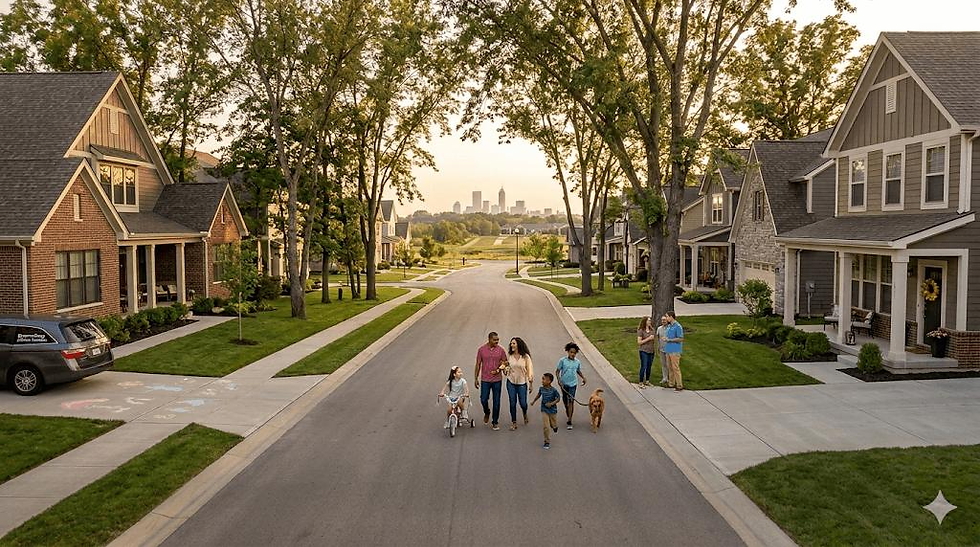
Demographics play a major role in shaping housing demand because changes in population characteristics influence where people live, the type of homes they choose, and the amenities they prioritize. Understanding these trends helps developers, investors, and urban planners anticipate future housing needs.
1. Population Growth Increases Housing Demand
As populations grow, the need for housing rises. More people require additional homes, apartments, and supporting infrastructure such as schools, healthcare facilities, and transportation systems.
2. Age Groups Influence Housing Preferences
Different generations have different housing needs and priorities.
Young adults often prefer affordable apartments and urban locations.
Families usually seek larger homes near schools and parks.
Older adults often prioritize accessible, low-maintenance homes close to healthcare services.
3. Household Sizes Are Changing
Household structures are evolving. More people are living alone, marrying later, or having smaller families, increasing demand for smaller and more flexible housing options.
4. Income Levels Affect Housing Choices
Income influences affordability and purchasing power. Higher-income households may seek larger homes and premium amenities, while lower-income households often prioritize affordability and convenience.
5. Urbanization Drives City Growth
As people move from rural areas to cities, housing demand increases in urban centers. This often leads to denser developments, rising property values, and expanded infrastructure.
6. Migration Patterns Reshape Markets
Domestic and international migration can rapidly change local housing markets. Areas experiencing population growth often see increased demand, while areas with declining populations may face oversupply.
7. Lifestyle Changes Influence Housing Needs
Modern lifestyles are changing housing preferences. Remote work, sustainability concerns, and a desire for better work-life balance have increased demand for homes with dedicated office spaces, green areas, and walkable neighborhoods.
Why This Matters
Demographic trends influence:
Housing prices
Rental demand
Community development
Infrastructure planning
Real estate investment opportunities
Conclusion
Demographics shape housing demand by influencing who needs housing, where they choose to live, and the types of homes they prefer. As populations and lifestyles continue to evolve, housing markets must adapt to meet changing needs and expectations.


Comments